
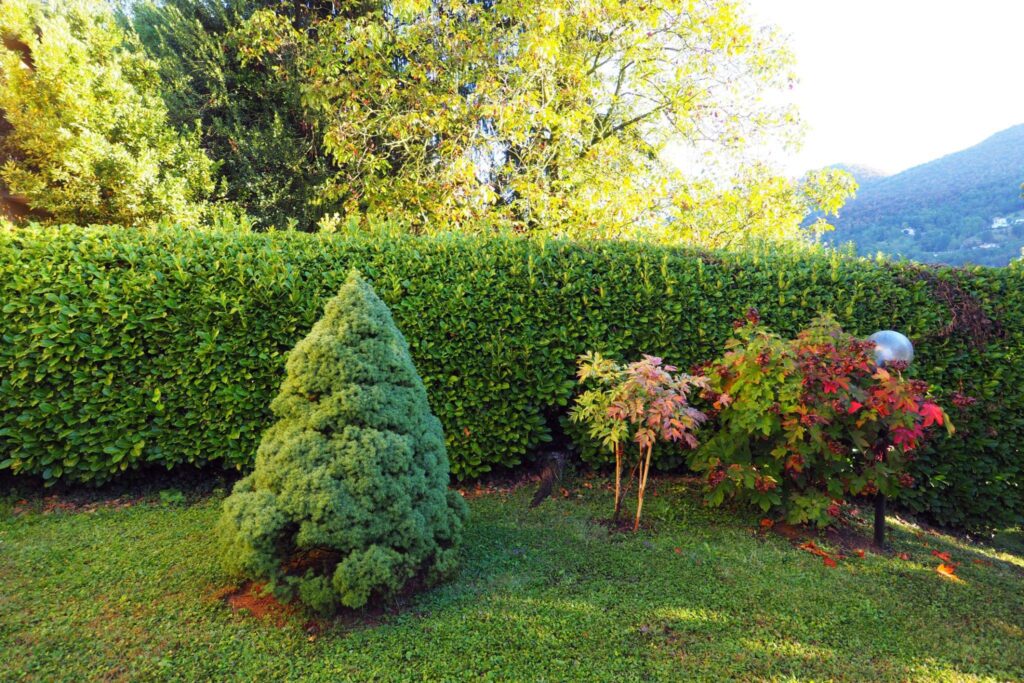
Are you wondering how wide a garden bed should be for a hedge that perfectly complements your outdoor space? Choosing the correct width is crucial to ensure healthy growth and maintenance of your hedge. The width of your garden bed plays a significant role in determining the space available for planting, weeding, and maintenance. In this comprehensive guide, we will explore the importance of considering the width of your garden bed and provide insights on how wide should a garden bed be for a hedge.
Why Is It Important to Consider the Size of a Garden Bed?
It is essential to understand the importance of garden bed widths before making any decisions. The width of your garden bed will determine how much room you have to work with when planting, weeding, and maintaining your hedge. A wider bed means more space for plants and allows air to circulate better, which can help promote healthy root growth and reduce competition between plants. Additionally, a wider garden bed will provide extra support for larger hedges that may require staking or trellising to keep them upright as they grow taller. When selecting the correct width for your garden bed, it’s essential to consider the type of hedge you would like to plant and its eventual size.
How Wide Should a Growing Bed Be for a Hedge?
The ideal width for a Growing bed for a hedge will depend on the type of hedge you are planting and its eventual size. Generally, it is recommended that your garden bed be at least two feet wide if you plan to plant a small or medium-sized hedging plant such as boxwood, privet, yew, or holly. For more giant trees like magnolias or conifers, it may be best to opt for a wider bed of three feet to provide enough space and support. If you are unsure about the type and size of plants you would like to use in your hedge, consult an experienced gardener who can help advise on the correct width for your project.
Factors to Consider When Decide the Width of Your Garden
Several factors must be considered when deciding on the width of your garden bed. Firstly, you should think about what type of hedge you would like to grow. Different plants have different requirements for space and sunlight, so research which ones will do best in your climate and at the width you intend for your garden bed. Secondly, consider how much time and effort you want to devote to caring for the hedge once it is grown. A wider bed will require more maintenance than a narrower one as more weeds may need to be pulled out from between the plants, and access around them can be difficult if the area is too narrow. Lastly, consider whether you plan to add any additional elements, such as a trellis or fence around the area. If so, you must consider the additional space these items will occupy and ensure that there is still enough room for your hedge to thrive.
Select Plants That Thrive in a Garden Plot
After you have determined the width of your garden plot, it is time to select the plants that you would like to add. When selecting plants, consider their sunlight needs, preferred soil type, and any other special requirements they may have. You should also consider whether or not they will work together in harmony or create a visually pleasing look when grown side by side. To ensure your hedge looks its best once grown, arrange some larger plants behind smaller ones or use different colors and textures for added visual interest. Add ground covers such as creeping thyme or yarrow between the plants for an even more vibrant look!
Steps to Prepare Your Garden for Planting
Once you have chosen your plants, it is time to prepare the garden for planting. This includes removing existing weeds and grasses from the area and tilling or aerating the soil so it is loose enough for roots to grow properly. Additionally, large rocks or other debris in the soil should be removed and disposed of before planting begins. Finally, add a layer of compost or mulch around each plant to help conserve moisture and discourage weed growth while providing essential nutrients. Following these steps will ensure your hedge has all the necessary elements to thrive!
Ways to Maintain Your Garden All the Season
The key to having a beautiful, lush hedge is ensuring you properly care for your garden bed. This includes trimming the hedge regularly and keeping it free from weeds so that it can thrive throughout the season. Regularly fertilizing your plants will also help ensure they have all they need to stay healthy and provide an aesthetically pleasing result. Additionally, be sure to water your garden bed properly; too much or too little water can cause damage to your plants if not monitored carefully. Finally, mulch around the base of the planets to retain moisture and protect them from extreme temperatures, which may otherwise damage their health over time.
Ideas and Inspiration to Create Unique Design
When you want to create a garden bed with an attractive hedge, it’s essential to consider the width of your garden bed. The size will depend on the type of plants you are growing and the space available in your yard or garden area. Generally speaking, if you plant low-growing shrubs such as boxwood or yew hedges, a bed between four and six feet wide should be sufficient for most applications. If you plan on creating taller hedges like Privet or Holly, it would be best to go with a wider seven-foot width. This will provide enough room for the plants to grow and spread out over time without overcrowding them. Additionally, having a wider bed gives more visual interest than just a narrow strip of hedges.
No matter which type of plants you choose for your garden bed, it’s essential to consider the overall shape and size that will best suit your landscaping needs. For example, creating an L-shaped hedge may be more practical than one long continuous line if you have a small yard or limited space. You can also use curves or circles as part of your design to add interest or break up the monotony of a straight line. Alternatively, if you have plenty of room and want something eye-catching, multiple layers with alternating heights are a great way to create depth and texture in your garden beds.
Final Thought:
Whether creating a garden bed for an existing landscape or starting from scratch, it’s essential to consider the width of your garden bed when choosing plants and designing your hedge. By considering both form and function, you can craft an attractive and unique design that will turn heads in your yard.