
There are several types of carpet cleaning methods available to effectively remove dirt, stains, and odors from carpets. In this response, I will provide a concise overview of the most common carpet cleaning techniques.
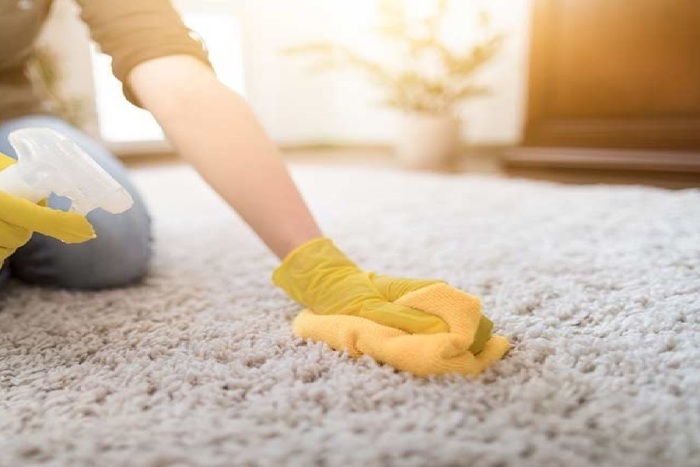
Hot Water Extraction (Steam Cleaning):
Hot water extraction, commonly known as steam cleaning, is one of the most popular carpet cleaning methods. It involves injecting hot water and a cleaning solution into the carpet fibers. The solution loosens dirt and debris, and then a powerful vacuum extracts the water, along with the loosened dirt, from the carpet. Steam cleaning is effective for deep cleaning and can remove tough stains and allergens.
Dry Powder Cleaning:
Dry powder cleaning is a method that uses an absorbent compound, usually made of detergent, solvents, and a small amount of water. The compound is spread evenly over the carpet and worked into the fibers using a machine with rotating brushes. The compound absorbs dirt and debris, and after a short period of time, it is vacuumed away. Dry powder cleaning is a quick drying method that is suitable for light cleaning and maintenance.
Dry Foam Cleaning:
The Dry foam cleaning involves applying a cleaning foam onto the carpet, which is agitated using a machine with rotating brushes. The foam encapsulates dirt and stains, and then it is vacuumed away along with the trapped dirt. This method uses less water compared to steam cleaning, resulting in faster drying times. Dry foam cleaning is effective for removing surface dirt and stains.
Bonnet Cleaning:
Bonnet cleaning is a surface cleaning method commonly used in commercial settings. A cleaning solution is sprayed onto the carpet, and then a rotary machine with a bonnet pad absorbs the dirt and debris from the carpet fibers. The bonnet pad is periodically replaced or cleaned during the process. Bonnet cleaning provides quick results and is often used for routine maintenance in high-traffic areas.
Encapsulation Cleaning:
Encapsulation cleaning is a low-moisture cleaning method that involves applying a crystallizing polymer to the carpet. The polymer encapsulates dirt and stains, forming tiny crystals that can be easily vacuumed away. This method is effective for routine maintenance and can leave the carpet dry quickly.
Shampooing:
Shampooing is an older carpet cleaning method that involves applying a foamy shampoo directly to the carpet using a rotary machine. The shampoo is then worked into the fibers, allowing it to attract and encapsulate dirt and stains. Once the carpet has dried, it is vacuumed to remove the shampoo and the encapsulated dirt. Shampooing can be effective for deep cleaning, but it may leave behind residue if not rinsed thoroughly.
Carpet Cleaning with Carbonated Water:
This method uses carbonated water to clean carpets. The carbonation bubbles lift dirt and stains to the surface, making them easier to remove. A minimal amount of water is used in this process, resulting in faster drying times. This method is often considered eco-friendly and can be effective for light cleaning.
It’s worth noting that the suitability of each carpet cleaning method may vary depending on factors such as the carpet type, level of soiling, and specific cleaning requirements. It’s recommended to consult with a professional carpet cleaner to determine the most appropriate method for your specific situation.