
engine steam cleaning near me is a maintenance practice that involves using steam to clean and degrease the engine components of vehicles and machinery. This technique has gained popularity in recent years due to its effectiveness in removing dirt, grime, and oil deposits from engines, resulting in improved performance and longevity. This comprehensive article explores the benefits, process, precautions, and best practices of engine steam cleaning. It also discusses the equipment required and provides insights into the potential risks and limitations of this maintenance practice. By understanding the intricacies of engine steam cleaning, vehicle owners, mechanics, and maintenance professionals can make informed decisions regarding its implementation.
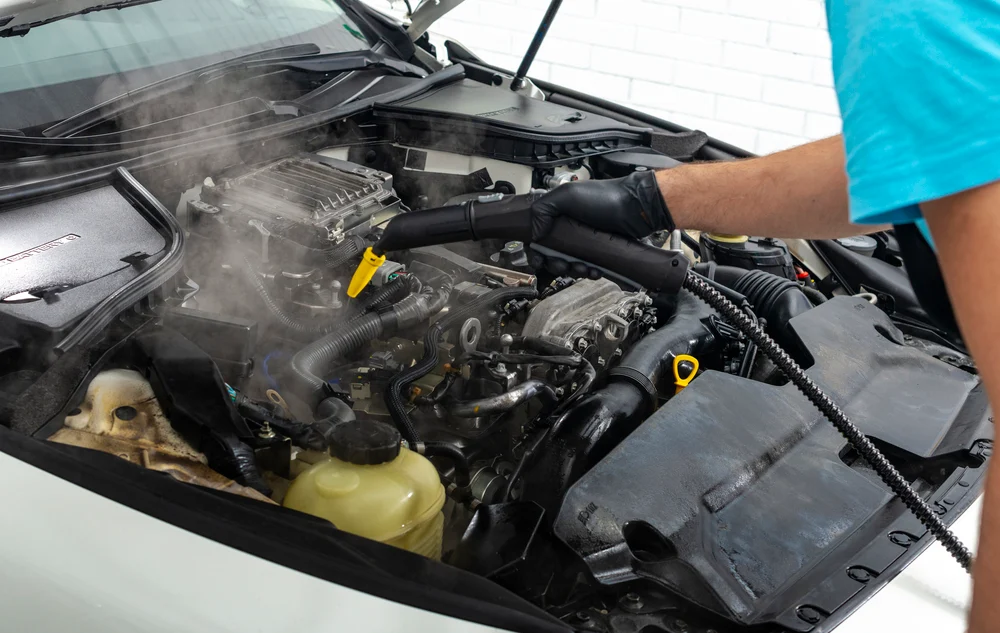
Table of Contents:
Benefits of Engine Steam Cleaning
2.1 Enhanced Engine Performance
2.2 Improved Fuel Efficiency
2.3 Extended Engine Lifespan
2.4 Facilitated Maintenance and Inspection
Engine Steam Cleaning Process
3.1 Preparing the Engine
3.2 Steam Cleaning Equipment
3.3 Performing the Steam Cleaning
Precautions and Best Practices
4.1 Safety Considerations
4.2 Engine Component Protection
4.3 Electrical System Precautions
4.4 Post-Cleaning Measures
Equipment Required for Engine Steam Cleaning
5.1 Steam Cleaners
5.2 Cleaning Agents and Degreasers
5.3 Personal Protective Equipment (PPE)
5.4 Additional Tools and Accessories
Risks and Limitations of Engine Steam Cleaning
6.1 Potential Damage to Sensitive Components
6.2 Water Ingress and Electrical Issues
6.3 Chemical Exposure Risks
6.4 Environmental Considerations
Case Studies and Success Stories
Introduction
The introduction provides an overview of engine cleaning as a maintenance practice, highlighting its increasing popularity and the importance of regular cleaning for optimal engine performance.
Benefits of Engine Cleaning
This section explores the various benefits that cleaning offers, such as enhanced engine performance, improved fuel efficiency, extended engine lifespan, and facilitated maintenance and inspection procedures.
Engine Cleaning Process
Here, the article delves into the step-by-step process of steam cleaning, starting from preparing the engine for cleaning, discussing the required steam cleaning equipment, and providing detailed instructions on performing the cleaning process effectively.
Precautions and Best Practices
To ensure safe and successful engine cleaning, this section outlines essential precautions and best practices to follow. It covers safety considerations, engine component protection methods, electrical system precautions, and post-cleaning measures to prevent potential issues.
Equipment Required for Engine Cleaning
This section focuses on the necessary equipment for engine cleaning, including steam cleaners, cleaning agents and degreasers, personal protective equipment (PPE), and additional tools and accessories that may be useful during the process.
Risks and Limitations of Engine Cleaning
While engine cleaning offers numerous benefits, it is essential to be aware of potential risks and limitations. This section discusses the risks associated with sensitive components, water ingress, electrical issues, chemical exposure, and environmental considerations.
Case Studies and Success Stories
To provide real-world examples and demonstrate the effectiveness of engine steam cleaning, this section presents case studies and success stories from vehicle owners, mechanics, or maintenance professionals who have implemented this practice.
Conclusion
The article concludes by summarizing the key points discussed and emphasizing the importance of engine cleaning as an effective maintenance practice for enhancing engine performance, improving fuel efficiency, and extending engine lifespan.