
Introduction
Cigarette smoke contains a plethora of harmful chemicals that can cause severe damage to our health and surroundings. The residues left behind by cigarette smoke can permeate surfaces and linger for long periods, posing health risks to individuals and leaving behind unpleasant odors. This blog aims to shed light on the detrimental effects of cigarette smoke, while also providing informative guidance on effective cleanup techniques to restore a clean and healthy environment. So, let’s delve into the world of cigarette smoke damage and discover how to tackle this pressing issue.
Understanding Cigarette Smoke Damage
Cigarette smoke damage clean upis composed of more than 7,000 chemicals, including ammonia, formaldehyde, and carbon monoxide, many of which are known to be toxic and carcinogenic. When someone smokes indoors, these chemicals permeate every nook and cranny, settling on surfaces such as walls, furniture, carpets, and even clothing. Over time, this accumulation can cause discoloration, staining, and a stubborn odor that is difficult to eliminate.
Health Hazards: First and foremost, it is important to address the health hazards associated with cigarette smoke damage. Secondhand smoke exposure can lead to a range of health problems, including respiratory issues, allergies, asthma attacks, and an increased risk of developing lung cancer. Infants and young children are particularly vulnerable, as their developing bodies are more susceptible to the harmful effects of these toxic substances.
Effective Cleanup Techniques
Ventilation and Air Purification:
The first step in cigarette smoke damage clean up is to ensure proper ventilation. Open windows and doors to allow fresh air to circulate, aiding in the removal of residual smoke particles. Additionally, utilizing air purifiers with HEPA filters can help capture and eliminate airborne pollutants, improving the overall air quality.
Deep Cleaning Surfaces:
Start the cleanup process by thoroughly cleaning all surfaces affected by cigarette smoke residue. Begin with a dry cloth or sponge to wipe away loose debris. For harder surfaces like walls and countertops, use a mixture of warm water and mild detergent to gently scrub away the stubborn residue. Remember to rinse the surfaces with clean water afterward to remove any remaining detergent.
Carpet and Upholstery Cleaning:
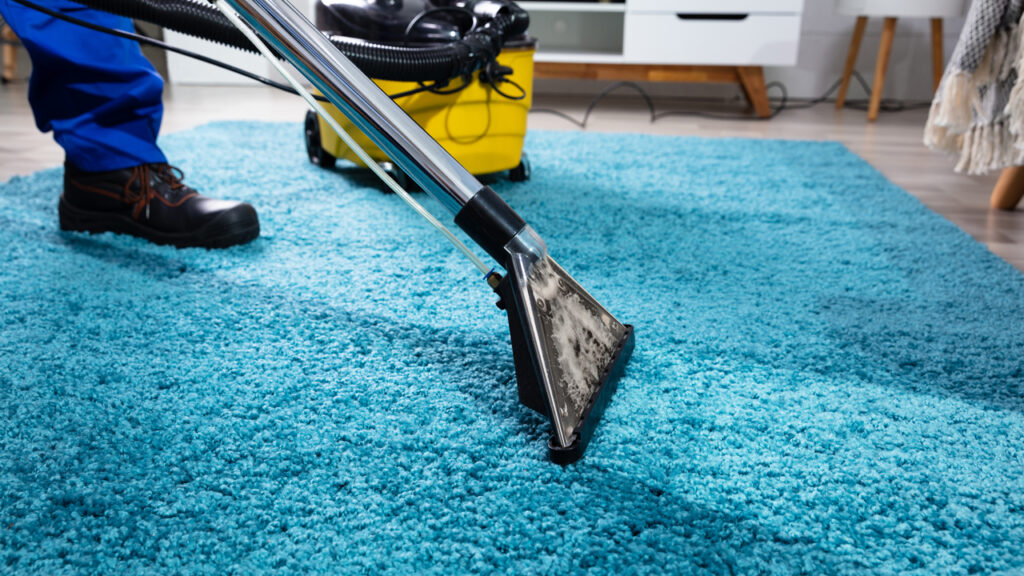
Cigarette smoke easily clings to fabrics, making carpets, curtains, and upholstery common targets for smoke residue. Vacuuming alone may not be sufficient, so it is advisable to hire professional cleaning services with experience in smoke damage cleanup. They employ specialized techniques, such as steam cleaning, to effectively remove smoke particles from deep within the fibers, rejuvenating these surfaces and eliminating odors.
Odor Elimination:
The persistent smell of cigarette smoke can be bothersome and hard to eradicate. Several approaches can help combat the odor. Baking soda is a natural deodorizer that can be sprinkled on carpets and upholstery, left overnight, and then vacuumed up the next day. Another option is to use odor-absorbing products, such as activated charcoal or air fresheners designed specifically to neutralize smoke odors.
Professional Restoration Services: In severe cases of cigarette smoke damage, seeking professional restoration services may be necessary. These experts have the knowledge and equipment to effectively address extensive smoke damage, ensuring a thorough cleanup. They can conduct air quality testing, remove and replace damaged materials, and provide a comprehensive restoration plan to bring your environment back to a healthy state.
Conclusion
Cigarette smoke damage is a significant concern that affects both our health and the cleanliness of our living spaces. By understanding the hazards associated with cigarette smoke and implementing effective cleanup techniques, we can mitigate the risks and restore a fresh, smoke-free environment.