
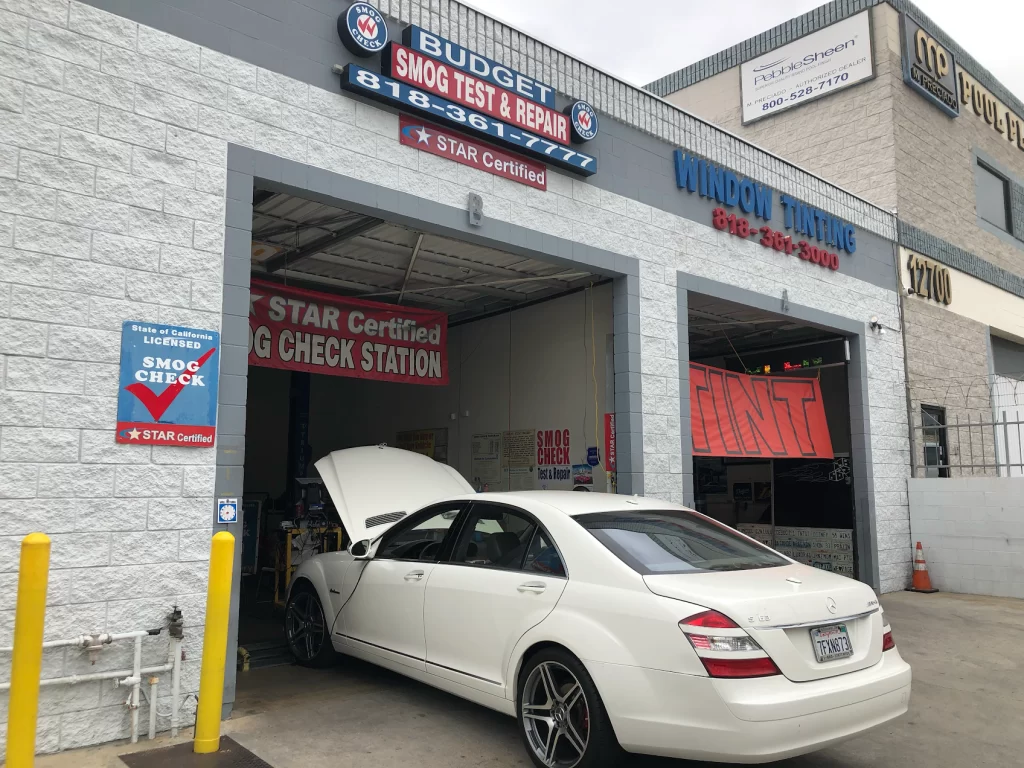
What is a STAR Certified Smog Station?
A STAR Certified Smog Station refers to a smog check station that has been approved and certified by the California Bureau of Automotive Repair (BAR). The BAR is responsible for regulating and overseeing the smog check program in California.
In California, smog checks are required for most vehicles to ensure they meet the state’s emissions standards. A STAR Certified Smog Station is authorized to conduct these smog checks and issue certificates to vehicles that pass the emissions test.
To become STAR Certified, a smog check station must meet specific requirements set by the BAR. These requirements typically include having the necessary equipment and trained technicians to perform smog checks accurately and reliably. The station’s personnel must also meet the BAR’s training and certification standards.
STAR Certified stations are subject to regular inspections and audits by the BAR to ensure compliance with the program’s standards. The certification indicates that the station has demonstrated proficiency and adherence to the state’s smog check requirements.
It’s important to note that STAR Certified Smog Stations are specific to California and its smog check program. Other states or regions may have different certification processes or requirements for smog check stations.
What is STAR certified smog station responsibilities and duties?
STAR Certified Smog Stations in California have specific duties and responsibilities related to conducting smog checks and ensuring compliance with the state’s emissions standards. Here are some of their main duties and responsibilities:
1. Smog Check Inspections: STAR Certified Smog Stations are responsible for performing smog check inspections on vehicles. This includes conducting emissions tests to measure the level of pollutants emitted by the vehicle and checking for compliance with California’s emissions standards.
2. Compliance with Regulations: These stations must adhere to all applicable regulations and guidelines set by the California Bureau of Automotive Repair (BAR) regarding smog checks. They must stay updated on any changes or revisions to the regulations and ensure their practices align with the requirements.
3. Equipment and Calibration: STAR Certified Smog Stations are responsible for maintaining and calibrating their smog check equipment regularly. This ensures accurate and reliable test results. They must also ensure that their equipment meets the standards and specifications set by the BAR.
4. Technician Training: The smog check technicians working at STAR Certified stations must receive proper training and certification from the BAR. This includes attending training programs, passing exams, and staying up-to-date with the latest technologies and techniques related to emissions testing.
5. Record Keeping: These stations are responsible for maintaining accurate and detailed records of all smog check inspections performed. This includes keeping records of vehicle information, test results, and any necessary documentation. They may also be required to submit reports to the BAR as mandated by the program.
6. Customer Service: Providing good customer service is another important responsibility of STAR Certified Smog Stations. This includes addressing customer inquiries, explaining the smog check process, discussing the test results, and issuing certificates to vehicles that pass the emissions test.
7. Compliance Monitoring: STAR Certified stations are subject to periodic inspections and audits by the BAR to ensure compliance with the program’s standards. These inspections may include checking equipment, reviewing records, and evaluating technician competence.
By fulfilling these duties and responsibilities, STAR Certified Smog Stations play a crucial role in maintaining air quality standards and ensuring vehicles in California meet the state’s emissions requirements.
In California, vehicles are selected for STAR smog check based on certain criteria determined by the California Bureau of Automotive Repair (BAR). The selection process aims to identify vehicles that are more likely to have higher emissions or potential tampering issues. Here are some key factors that influence the selection of vehicles for a STAR smog check:
1. Directed Vehicles: The BAR may specifically direct certain vehicles to undergo a STAR smog check. This can be based on various factors such as the vehicle’s make, model, age, previous emissions performance, or if it falls under a specific category designated by the BAR.
2. High Emitter Profile: The BAR utilizes a database that profiles vehicles based on their emissions history. Vehicles with a higher likelihood of being high emitters are prioritized for STAR smog checks. This profiling takes into account factors such as the vehicle’s make, model, age, and emissions history from previous smog checks.
3. Random Selection: Some vehicles are chosen randomly for a STAR smog check to ensure a broad and representative sampling of the vehicle population. This helps in evaluating the overall compliance with emissions standards across different vehicle types and models.
4. Gross Polluters: Vehicles that have previously failed a regular smog check due to excessive emissions are often required to undergo a STAR smog check. These vehicles are subject to more stringent testing and inspections to ensure they meet the necessary emissions standards.
5. Data-Driven Analysis: The BAR continuously analyzes data from smog checks, vehicle registrations, and other sources to identify trends, patterns, and potential issues related to emissions compliance. This analysis may influence the selection of vehicles for STAR smog checks. It’s important to note that the specific selection process may vary over time as the BAR refines and updates its criteria. The goal of the selection process is to prioritize vehicles that are more likely to have emission-related problems, thereby helping to improve air quality and enforce compliance with California’s emissions standards.