
The world of online gaming has witnessed tremendous growth in recent years, with countless enthusiasts flocking to various competitive titles. One such game that has taken the gaming community by storm is valorant accounts for sale, a first-person shooter developed by Riot Games. Valorant’s strategic gameplay, unique abilities, and competitive ranking system have captivated players worldwide. However, with the increasing demand for high-ranking accounts and rare in-game cosmetics, a thriving market for Valorant accounts has emerged. This article aims to provide a comprehensive overview of the Valorant account market, highlighting key aspects and considerations for those interested in purchasing an account.
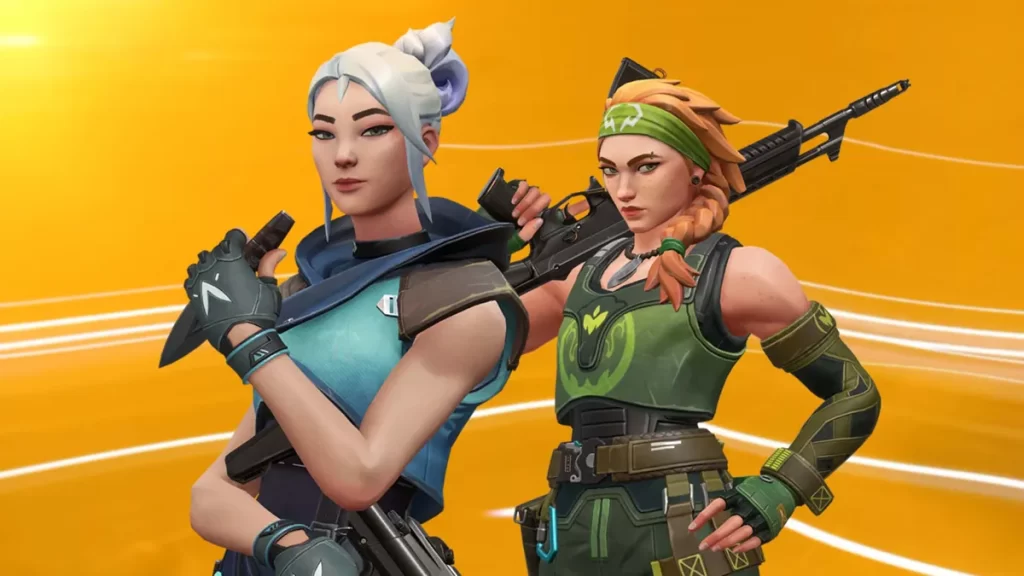
I. Understanding Valorant Accounts
A. Account Types:
Fresh Accounts: Newly created accounts with no ranking history or in-game progress.
Ranked Accounts: Accounts with a specific rank achieved through competitive play.
Smurf Accounts: Secondary accounts typically used by experienced players to compete at lower skill levels.
B. Rank Distribution:
Iron – Radiant: Valorant’s competitive ranking system consists of seven tiers, each representing a specific skill level.
Elo Points: A numerical value assigned to players based on their performance, determining rank progression or demotion.
C. In-game Progression:
Unlocked Agents: Accounts may have different agents unlocked, requiring players to earn or purchase them.
Skins and Cosmetics: Rare and aesthetically appealing in-game items that can enhance the visual experience.
II. The Valorant Account Market
A. Marketplaces:
Online Platforms: Websites and forums dedicated to trading Valorant accounts, connecting buyers and sellers.
Third-party Services: Resellers and account providers who offer pre-leveled accounts or specific rank placements.
B. Pricing Factors:
Rank: Higher-ranked accounts tend to be more valuable due to the time and skill required to reach those levels.
Agent Unlocks: Accounts with a wide variety of agents available command higher prices.
Skins and Cosmetics: Rare and exclusive items can significantly impact the price of an account.
C. Account Security:
Account Safety: Buyers should ensure the account they purchase is secure and not compromised.
Legitimacy: Verify the reputation and reliability of sellers or resellers before making a purchase.
Account Transfer: Proper account transfer protocols should be followed to avoid potential issues.
III. Legal and Ethical Considerations
A. Developer Policies:
Account Trading: Valorant’s terms of service may prohibit the buying and selling of accounts, risking penalties.
Account Ownership: Developers retain ownership rights, making account transfers a potential violation.
B. Scams and Risks:
Phishing: Fraudulent websites or individuals may attempt to obtain personal or financial information.
Account Retrieval: Sellers can potentially recover accounts after a sale, leading to buyer dissatisfaction.
Payment Frauds: Untrustworthy sellers may engage in fraudulent transactions, leaving buyers at a loss.
C. Ethical Considerations:
Fair Play: Account trading and smurfing can undermine the integrity of competitive gameplay.
Supporting Developers: Purchasing accounts indirectly diminishes revenue for the developers and their ongoing support of the game.
Conclusion:
The Valorant account market offers a range of options for players seeking specific ranks, agent unlocks, or rare cosmetics. However, potential buyers must exercise caution and consider the legal, ethical, and security implications before engaging in any account purchase. Understanding the various types of accounts, marketplaces, and pricing factors is crucial for making informed decisions. Additionally, being aware of the potential risks, scams, and developer policies will help ensure a safe and satisfying transaction. As the gaming industry continues to evolve, it is essential for players to strike a balance between their desires for progress and fair play, while also supporting the developers who create and maintain these immersive experiences.