
Cleaning benches is an important task in maintaining cleanliness and hygiene in various settings, including kitchens, laboratories, workshops, and outdoor spaces. Benches can accumulate dirt, stains, and germs over time, making regular cleaning essential. In this article, we will provide you with valuable tips and explore different types of benches and their cleaning requirements. Whether you are a homeowner, a restaurant owner, or a laboratory technician, this comprehensive guide will assist you in keeping your benches clean and germ-free.
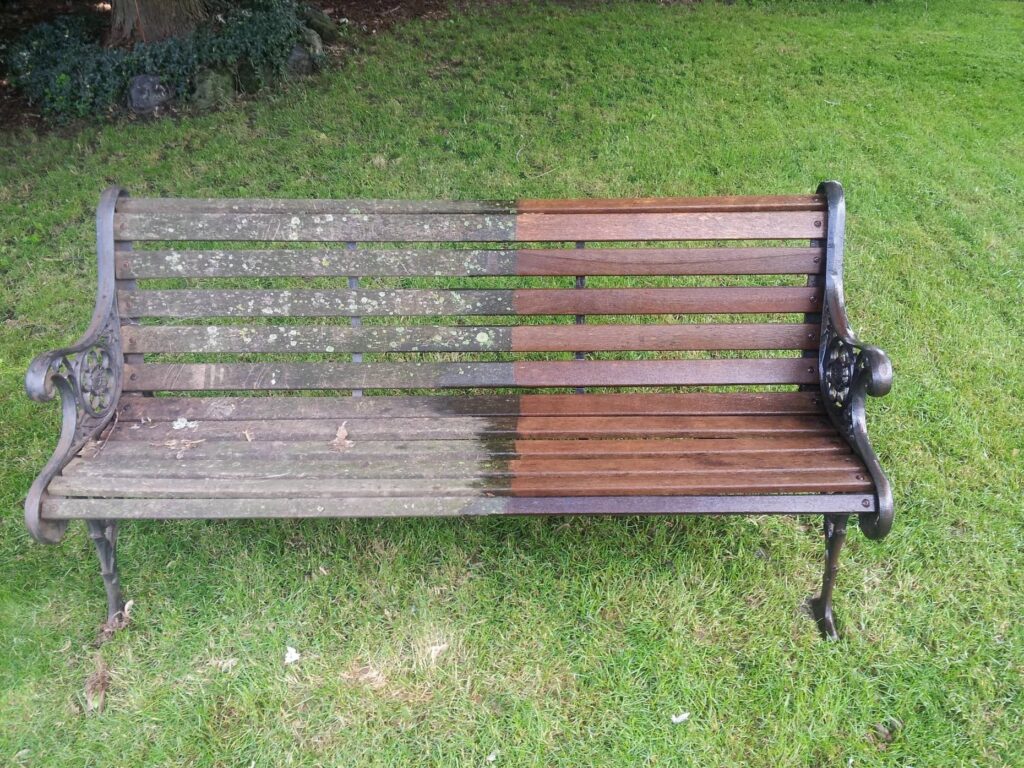
I. General Cleaning Tips for Benches:
Clear the surface: Before starting the cleaning process, remove any items, debris, or loose objects from the bench to ensure a thorough cleaning.
Use appropriate cleaning products: Different types of benches require specific cleaning agents. Determine the material of the bench and choose the appropriate cleaning solution accordingly. Common cleaning agents include all-purpose cleaners, disinfectants, mild soaps, and specialized cleaners for specific surfaces.
Read product instructions: Always follow the instructions provided on the cleaning product labels. This ensures effective use of the product and prevents any damage to the bench surface.
Test in an inconspicuous area: Before applying any cleaning solution to the entire bench, test it in a small, inconspicuous area to ensure it does not cause discoloration or damage to the surface.
Wear protective gear: When using cleaning chemicals or potentially hazardous cleaning methods, such as dealing with mold or deep stains, it is important to wear gloves, safety goggles, and any other necessary protective gear.
Clean spills immediately: Promptly clean up spills to prevent staining and potential damage to the bench. Use an absorbent cloth or paper towel to blot the spill, followed by proper cleaning using appropriate methods.
Regular cleaning schedule: Establish a routine for cleaning your benches to maintain cleanliness and prevent the build-up of dirt, grime, and germs. The frequency of cleaning will depend on the usage and type of bench.
II. Cleaning Different Types of Benches:
A. Wooden Benches:
Dusting: Begin by dusting off the bench surface using a soft cloth or a feather duster. This helps remove loose dirt and prevents scratching during the cleaning process.
Mild soap and water: For general cleaning, mix mild soap with warm water and dampen a cloth or sponge in the solution. Gently wipe the bench surface, taking care not to oversaturate the wood. Rinse with a clean, damp cloth, and dry thoroughly.
Stain removal: For stubborn stains on wooden benches, create a paste by mixing baking soda and water. Apply the paste to the stain, gently scrub with a soft cloth, and rinse thoroughly. Alternatively, specific wood stain removers can be used according to the product instructions.
Polishing: Periodically, apply a wood polish or furniture wax to enhance the bench’s appearance and protect the wood. Follow the instructions on the product label for the best results.
B. Metal Benches:
Dusting and debris removal: Begin by using a soft cloth or a duster to remove dust and loose debris from the bench surface. For outdoor metal benches, use a brush to remove any leaves, dirt, or other outdoor elements.
Cleaning solution: Prepare a solution of warm water and mild dish soap or an all-purpose cleaner. Dampen a cloth or sponge in the solution and gently scrub the metal surface. Pay special attention to any areas with stains or dirt buildup.
Rinse and dry: Rinse the bench thoroughly with clean water to remove any soapy residue. Dry the metal surface with a clean cloth to prevent water spots and minimize the risk of rust formation.
Rust removal: If you notice rust on your metal bench, use a rust remover specifically designed for metal surfaces. Apply the rust remover according to the product instructions, and scrub gently with a soft brush or cloth. Rinse and dry the bench afterward.
C. Plastic Benches:
Surface preparation: Remove any loose dirt or debris from the bench by wiping it down with a damp cloth or rinsing it with water.
Cleaning solution: Prepare a solution of warm water and mild dish soap. Use a cloth or sponge dampened in the solution to scrub the bench, paying attention to any stained areas or stubborn dirt.
Rinse and dry: After scrubbing, rinse the bench thoroughly with clean water to remove any soapy residue. Dry the surface with a clean cloth or allow it to air dry.
Bleach solution for disinfection: To disinfect plastic benches, prepare a solution of water and household bleach (follow the recommended ratio on the bleach bottle). Apply the solution to the bench surface, let it sit for a few minutes, and rinse thoroughly. Ensure proper ventilation and avoid using bleach on colored plastic benches, as it may cause discoloration.
III. Conclusion:
Clean and well-maintained benches are essential for hygiene and aesthetics in various environments. By following the tips provided and understanding the cleaning requirements for different bench materials, you can effectively maintain cleanliness, extend the lifespan of your benches, and create a safe environment for yourself and others. Remember, regular cleaning and proper maintenance are key to keeping your benches in excellent condition.