
Television, generally referred to as TV, has become a vital part of our lives, acting as a source of entertainment, knowledge, and communication.
In this essay, we will go into the world of television, analysing its history, technical breakthroughs, and the shifting watching experience it gives.
From the early days of black-and-white sets to the introduction of smart TVs and streaming services, we will navigate through the numerous facets of TV and present insights into its influence on our everyday lives.
watch today trending technology videos online
Evolution of TV Technology
- The Advent Of Black-And-White TV
Television made its debut in the early 20th century, with the first functional television system constructed by John Logie Baird in the 1920s. These early TVs used tiny displays and a black-and-white display, broadcasting low-resolution pictures over the airways.
- The Introduction Of Color TV
The 1950s brought an important milestone in TV history with the advent of colour television. This discovery enabled viewers to enjoy a more colourful and realistic depiction of the subject they were seeing.
- The Rise Of High-Definition Television (HDTV)
In the 1990s, the television business experienced the development of high-definition television (HDTV). HDTVs brought greater image quality, crisper details, and enhanced colour reproduction, offering viewers with a more immersive watching experience.
- The Era Of Smart TV
With the fast growth of technology, smart TVs emerged as a game-changer in the television market. These internet-connected gadgets let users stream online material, access applications, and enjoy interactive features, changing the standard TV into a multimedia centre.
- The Emergence Of 4K And 8K Ultra HD TV
The newest breakthrough in television technology is the advent of 4K and 8K Ultra HD TVs. These TVs have an extraordinarily high resolution, giving breathtaking graphics with remarkable clarity and detail.
Viewers may enjoy a more realistic and engaging experience, particularly when paired with HDR technology.
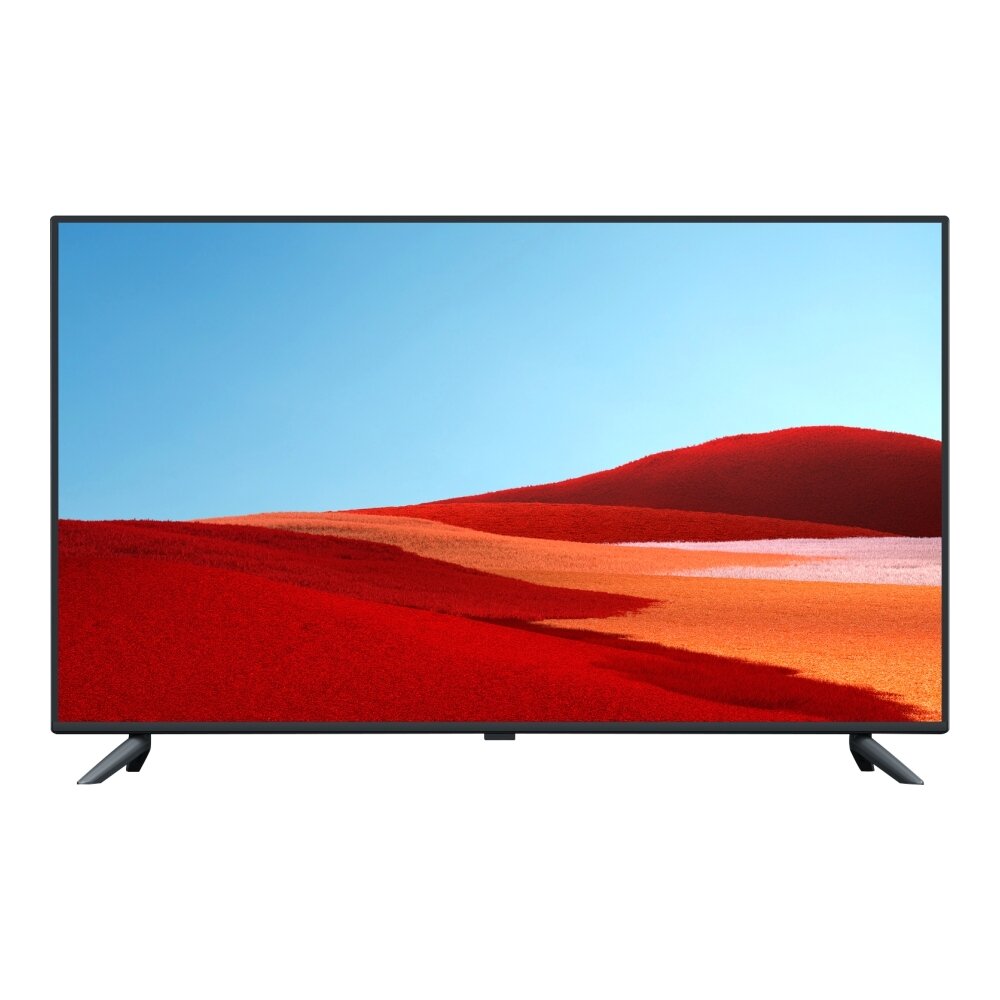
Understanding TV Display Technologies
- LCD (Liquid Crystal Display)
LCD TVs feature liquid crystal cells to adjust the quantity of light travelling through the screen. They provide outstanding energy efficiency, broad viewing angles, and brilliant colours.
However, they may suffer from restricted contrast ratios and slower reaction times compared to other display technologies.
- LED (Light-Emitting Diode)
LED TVs employ light-emitting diodes as a backlight source for the display. This technique boosts contrast, improves black levels, and gives a more dynamic variety of colours. LED TV is slimmer and more energy-efficient than their LCD equivalents.
- OLED (Organic Light-Emitting Diode)
OLED TVs utilise organic compounds that produce light when an electric current is applied. They provide outstanding contrast ratios, deep blacks, and bright colours. Each pixel in an OLED display may be independently adjusted, resulting in greater image quality and broad viewing angles.
- QLED (Quantum Dot LED)
QLED TVs feature quantum dots, which are nanosized particles that generate multiple colours when illuminated by a light source. This technology boosts colour accuracy, brightness levels, and gives a larger colour spectrum. QLED TVs are noted for their colourful and vivid pictures.
- MicroLED (Micro-Light Emitting Diode)
MicroLED is a cutting-edge display technology that employs small, self-emissive LEDs to form pictures. It boasts great brightness, contrast, and colour reproduction. MicroLED TVs are still in the early phases of research and are predicted to alter the future of television screens.
Enhancing The Viewing Experience Of TV
- Surround Sound Systems
To produce a more immersive audio experience, surround sound systems are commonly utilised in combination with TV.
These systems consist of several speakers strategically positioned around the viewing area, producing a three-dimensional audio experience that improves the impact of movies, presentations, and sports.
- HDR (High Dynamic Range)
HDR technology improves the range of brightness levels and colour fidelity, resulting in more realistic and brilliant graphics.
It lets viewers perceive finer details in both the darkest and brightest regions of a picture, increasing depth and richness to the overall viewing experience.
- Smart Features And Internet Connectivity
Modern TVs are packed with smart features and internet connection, allowing viewers to access a broad choice of streaming services, surf the web, and interact with applications. This connection brings up a world of entertainment options and keeps viewers linked to the digital sphere.
- Streaming Services and On-Demand Content
The development of streaming services has altered the way we consume entertainment. Platforms like Netflix, Amazon Prime Video, and Hulu provide a wide collection of movies, TV series, and documentaries, enabling fans to watch their favourite programs on-demand, anytime and anywhere.
- Interactive TV and Second Screen Experiences
Interactive TV experiences and second screen apps have gained popularity in recent years. Viewers may participate with their favourite programmes with interactive elements, such as real-time polls, quizzes, and supplementary information available on smartphones or tablets while watching TV.
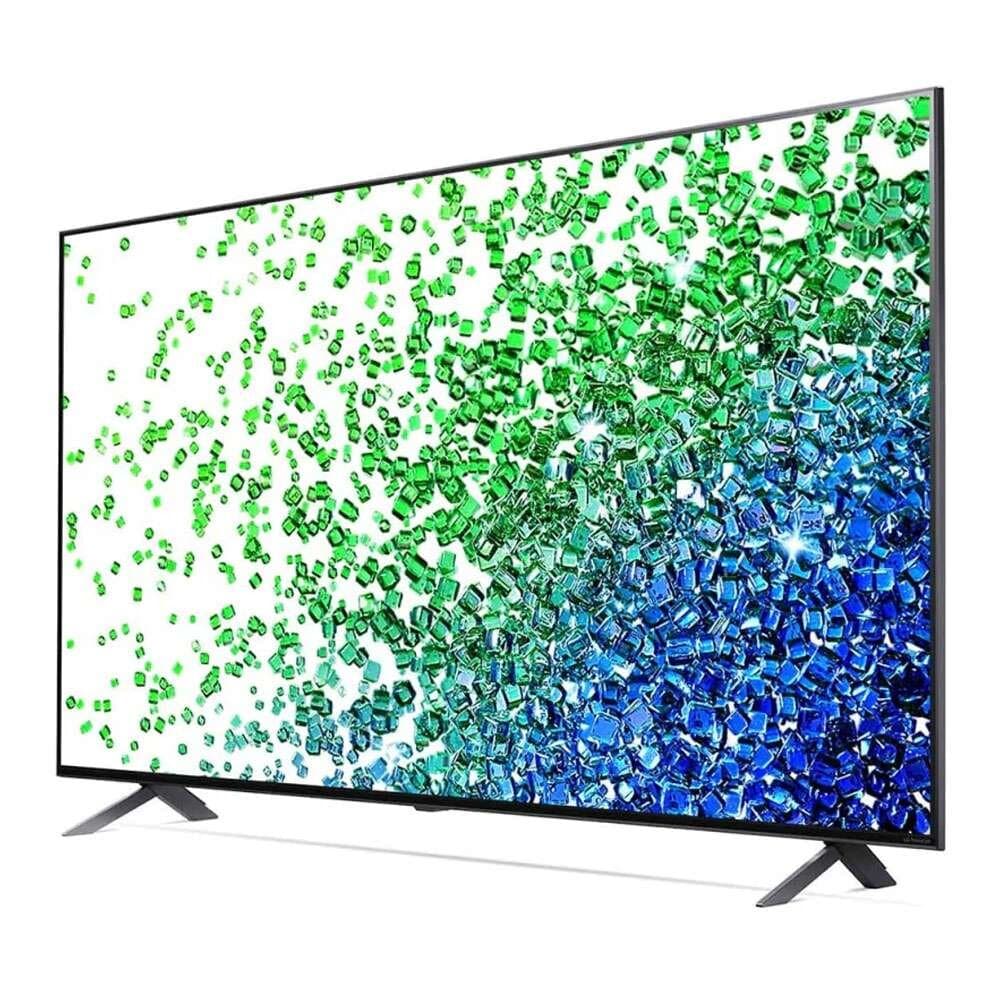
Impact of TV On Society
- Television As A Cultural Influence
Television has had a vital effect in moulding culture and society. It has brought people together via shared experiences, established new trends and fashion, and affected public opinion on different social and political topics.
- Educational and Informative Content
Television has functioned as a helpful educational tool, presenting instructional programming on a broad variety of topics.
Educational channels and documentaries give possibilities for learning, broadening knowledge, and discovering new cultures and viewpoints.
- Social Impact and Community Building
Television has the potential to unify communities and stimulate dialogues. The broadcasting of significant events, such as sports tournaments and award presentations, promotes a feeling of communal enthusiasm and stimulates social interactions among spectators.
- Advertising and Commercialization
Television advertising has become a significant component of the industry, allowing firms to reach a large audience and market their goods and services.
Advertisements on TV have the benefit of integrating graphics, music, and narrative to attract viewers’ attention.
- Television’s Role in Shaping Popular Culture
Television has been essential in defining popular culture, affecting fashion trends, music, and even the way we interact. Iconic TV series and personalities have become part of our collective psyche, having a lasting imprint on the entertainment scene.
Future Trends In TV
- Advancements In Display Technology
The progress of display technology will continue, with increases in resolution, color accuracy, and adaptability. Innovations like rollable and transparent screens offer the possibility of altering the way we interact with TVs.
- Integration Of Artificial Intelligence
Artificial intelligence (AI) will play a crucial role in the future of television. AI-powered algorithms will customise content suggestions, increase voice control and gesture recognition, and let viewers communicate with their TV in more natural and seamless ways.
- Virtual Reality and Augmented Reality
The merging of virtual reality (VR) and augmented reality (AR) technology into television sets will enable immersive watching experiences like never before. Viewers will be able to go into virtual worlds, explore 360-degree landscapes, and engage with information in whole new ways.
- Personalised Content Recommendations
With the use of AI and machine learning, television platforms will deliver highly tailored content suggestions based on individual watching patterns, tastes, and interests.
This will guarantee that viewers are continuously exposed to relevant and entertaining material.
- The Convergence of TV and Internet Services
As the borders between conventional television and internet services blur, we should anticipate a stronger integration of online streaming platforms, social media, and interactive elements.
The future of television will concentrate upon a seamless combination of broadcast and internet-based programming.
Conclusion
Television has gone a long way since its origin, growing into a sophisticated and adaptable medium that entertains, educates, and connects people globally.
From the debut of colour and high-definition screens to the incorporation of smart features and streaming services, television continues to alter our everyday lives.
As technology improves, we may expect even more interesting improvements in television, giving immersive experiences and tailored programming that adapt to our increasing wants and interests.
FAQs (Frequently Asked Questions)
Q1: Can I link my TV to the internet?
Yes, most current TVs come with built-in Wi-Fi or Ethernet connectors, enabling you to connect them to the internet and access a broad choice of online content and services.
Q2: What is the difference between LCD and OLED TVs?
LCD TVs employ a backlight and liquid crystal cells to generate pictures, whereas OLED TVs emit light independently for each pixel. This results in deeper blacks and improved contrast on OLED TVs.
Q3: Can I view streaming services on my TV?
Yes, smart TVs include built-in applications for major streaming services like Netflix, Amazon Prime Video, and Hulu, enabling you to view your favourite programmes and movies straight on your TV.
Q4: How does HDR increase the image quality on a TV?
HDR widens the range of brightness and colour, enabling TV to show more colourful and realistic pictures with greater details in both bright and dark settings.
Q5: What is the future of television?
The future of television depends on developments such as greater display resolutions, AI integration, virtual reality experiences, and the convergence of broadcast and internet services.