
Cleaning benches can be a challenging task, especially in public areas where they are exposed to various elements and heavy use. However, with the right tips and methods, you can ensure that benches remain clean and well-maintained. In this guide, we will discuss special tips and methods for cleaning benches, covering different materials and scenarios. Let’s dive in!
I. General Bench Cleaning Tips
Regular Maintenance: Implement a routine maintenance schedule to prevent dirt and grime buildup. Regular cleaning will make the process easier and more effective.
Wear Protective Gear: Before starting the cleaning process, wear appropriate protective gear such as gloves and safety goggles to ensure your safety.
Read Manufacturer’s Instructions: If the bench has specific cleaning instructions provided by the manufacturer, always read and follow them to avoid any damage or voiding of warranties.
Start with a Visual Inspection: Before cleaning, inspect the bench for any loose or broken parts. Repair or replace them before proceeding with the cleaning process.
Gather Supplies: Gather all the necessary cleaning supplies, including appropriate cleaners, brushes, sponges, microfiber cloths, and a bucket of water.
II. Cleaning Methods for Different Bench Materials
Wooden Benches:
a. Dusting: Start by dusting off the bench with a dry microfiber cloth or a soft brush to remove loose dirt, leaves, or debris.
b. Stain Removal: For stains, prepare a mixture of mild detergent and warm water. Gently scrub the stained area using a soft-bristle brush. Rinse with clean water and wipe dry.
c. Mold and Mildew Removal: To remove mold or mildew, mix equal parts of water and white vinegar. Apply the solution to the affected areas and let it sit for a few minutes. Scrub with a brush and rinse thoroughly.
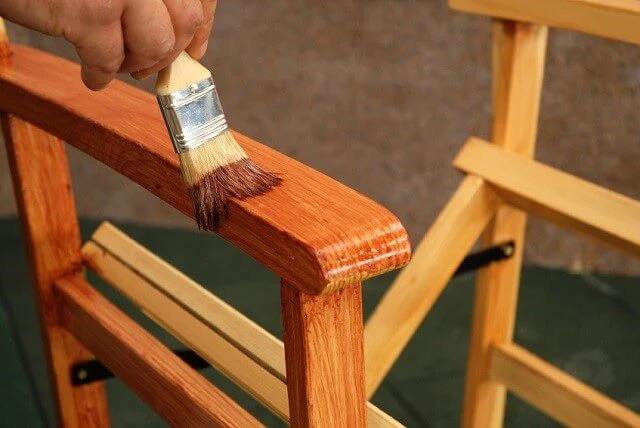
d. Sealing: If the wooden bench is not sealed, consider applying a wood sealant or oil to protect it from moisture and prolong its lifespan.
e. Maintenance: Regularly apply a coat of wood polish or sealant to keep the bench looking fresh and protected.
Metal Benches:
a. Surface Cleaning: Start by wiping down the bench with a soft cloth or sponge dampened with a mixture of warm water and mild detergent.
b. Removing Rust: Use a wire brush or steel wool to remove rust spots gently. Apply a rust converter or commercial rust remover following the manufacturer’s instructions.
c. Polishing: To restore shine, apply a metal polish or chrome cleaner to the bench surface. Buff it with a clean cloth until the desired shine is achieved.
d. Protecting: Consider applying a layer of clear coat or wax to protect the metal bench from further rusting and to maintain its appearance.
Plastic Benches:
a. Basic Cleaning: Use a soft cloth or sponge dampened with soapy water to wipe down the bench surface. Rinse with clean water and wipe dry.
b. Stain Removal: For stubborn stains, create a paste of baking soda and water. Apply the paste to the stained area and scrub gently with a soft brush. Rinse thoroughly and wipe dry.
c. Sun Damage Prevention: Apply a thin layer of automotive trim protectant or a UV-resistant spray to prevent sun damage and fading of the plastic bench.
d. Avoid Harsh Chemicals: Avoid using abrasive cleaners or harsh chemicals on plastic benches as they can cause damage or discoloration.
Stone or Concrete Benches:
a. Brushing: Start by using a stiff-bristle brush or broom to remove loose dirt and debris from the bench surface.
b. Stain Removal: For stains, create a paste of baking soda and water. Apply the paste to the stained areas and scrub gently. Rinse thoroughly with water.
c. Pressure Washing: If the bench is heavily soiled, consider using a pressure washer with a low-pressure nozzle attachment. Keep the pressure low to avoid damaging the stone or concrete surface.
d. Sealing: After cleaning, consider applying a stone or concrete sealer to protect the bench from moisture, stains, and weathering.
III. Special Cleaning Scenarios
Gum Removal: To remove gum from benches, freeze it by applying ice or a cold pack. Once the gum hardens, gently scrape it off using a plastic scraper or a blunt knife.
Bird Droppings: If the bench has bird droppings, use a mild detergent mixed with water to clean the affected area. Gently scrub with a brush and rinse thoroughly.
Graffiti Removal: If benches are vandalized with graffiti, use a graffiti remover or a mixture of baking soda and water. Apply the solution to the graffiti and scrub gently with a brush or sponge. Rinse thoroughly.
Biological Hazards: In cases where benches are contaminated with biological hazards, such as bodily fluids or animal waste, follow proper safety protocols and use disinfectants approved for such situations. Wear protective clothing and dispose of waste materials appropriately.
IV. Tips for Efficient Cleaning
Time of Cleaning: Plan your cleaning routine during off-peak hours to avoid inconvenience to bench users.
Teamwork: If cleaning multiple benches, divide the workload among a team to expedite the process and ensure thorough cleaning.
Proper Waste Disposal: Dispose of cleaning waste and debris responsibly by using designated bins or bags. Separate recyclable items when applicable.
Document Damages: Keep a record of any damages or issues found during the cleaning process and report them for repair or replacement.
Remember, maintaining clean benches not only enhances their appearance but also promotes hygiene and a positive user experience. By following these special tips and methods, you can ensure that benches remain clean, durable, and aesthetically pleasing.